Articles
Stay up-to-date with the latest developments in student health, education, and our organization's updates and events.
California must choose revenue over cuts to protect children's health
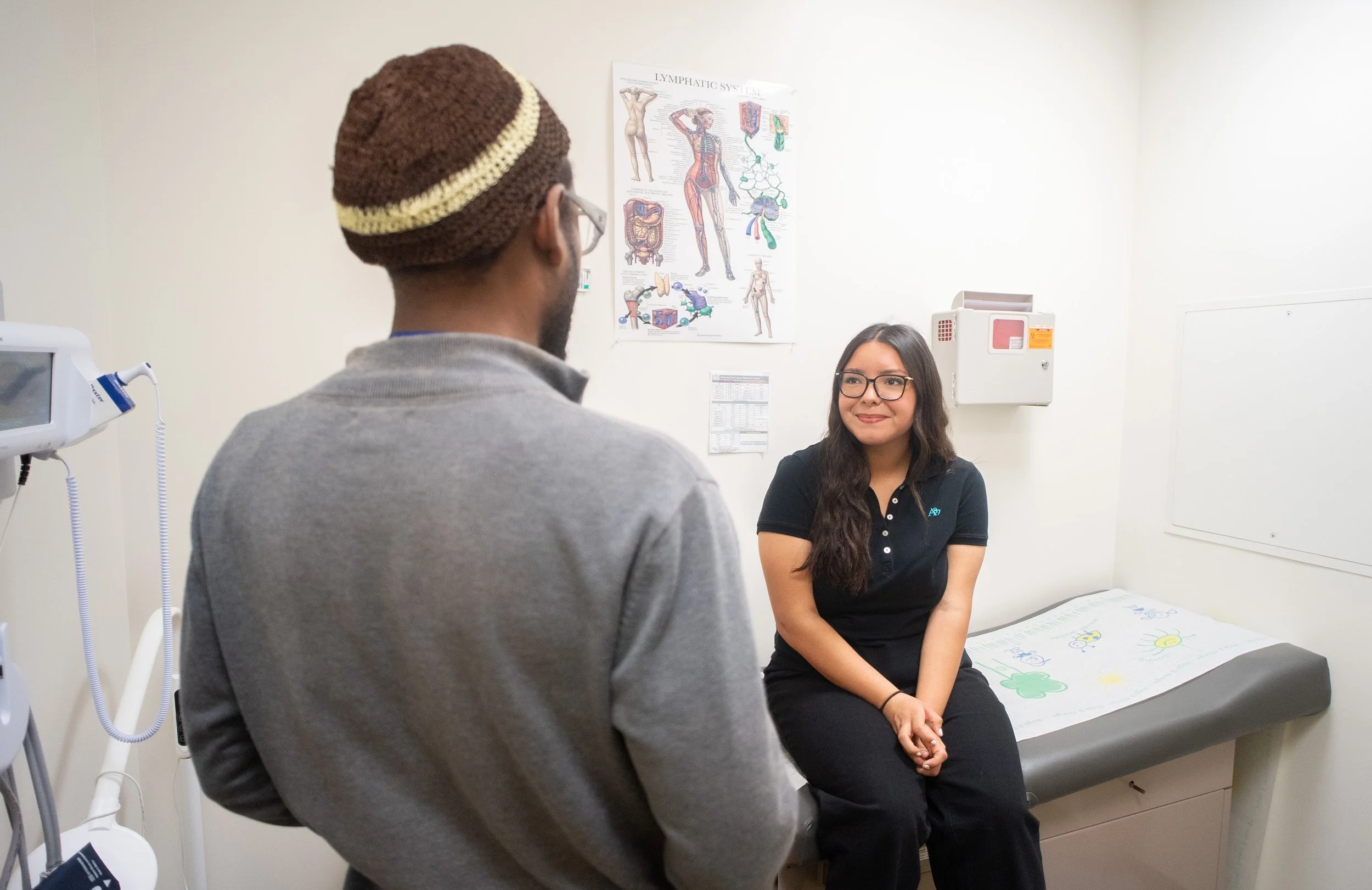
A MaCES High School student visiting the school Wellness Center
The California state budget deadline is fast approaching, making this a critical time to advocate for investments that uphold the state’s commitment to health for all. Despite improved revenue projections, Governor Newsom is choosing to scale back access to Medi-Cal instead of pursuing new revenue.
Last year’s budget restricted immigrant access to Medi-Cal by freezing new enrollment for undocumented adults, imposing new premiums, and reducing payments to providers. Newsom’s latest budget proposal goes even further by increasing premiums and imposing federal work requirements on the state-funded population.
These changes, on top of the H.R.1 impacts, have real consequences for school-based healthcare. Enrollment restrictions and premiums will push people off coverage. Payment reductions will cost federally qualified health centers in Los Angeles County alone an estimated $400 million annually, threatening the school-based health centers they operate.
The proposed budget also scales back Enhanced Care Management and Community Supports—key innovations in Medi-Cal designed to help youth and adults with complex needs. These initiatives were intended to address root causes of poor health and reduce expensive crisis care. Rolling them back undermines that progress.
These rollbacks are deeply concerning. While providing comprehensive healthcare requires investment, the cost of not doing so is far greater. When California balances its budget on the backs of marginalized communities, the impacts ripple across all of us, including children who rely on school-based care.
We don’t have a spending problem—we have a revenue problem.
Governor Newsom touted the state’s economic dominance as he unveiled his revised budget. And yet, his budget stops short of translating that prosperity into meaningful support for those being left behind.
Many Californians struggle with rising costs and stagnant wages, even as corporate profits have surged. Yet corporations pay roughly half as much in state taxes as they did in the early 1980s. These same entities will benefit from H.R.1’s tax breaks—the very legislation that is gutting the health programs low-income Americans rely on.
At the same time, many of these corporations employ workers who rely on Medi-Cal, pointing to a clear path for protecting the program. The Senate budget proposal states that 42% of Medi-Cal enrollees are full-time workers who are not enrolled in employer-sponsored coverage. When employers choose not to provide adequate wages or health benefits, taxpayers fill the gap—subsidizing workers’ healthcare instead of the companies themselves.
Solution: An employer fair share contribution
We are joining the Fight for Our Health Coalition in advocating for a Medi-Cal fair share contribution that requires corporations contribute to the public cost of their workers’ healthcare. This approach could generate billions in sustainable funding, helping offset federal cuts and protect over a decade of progress toward universal coverage.
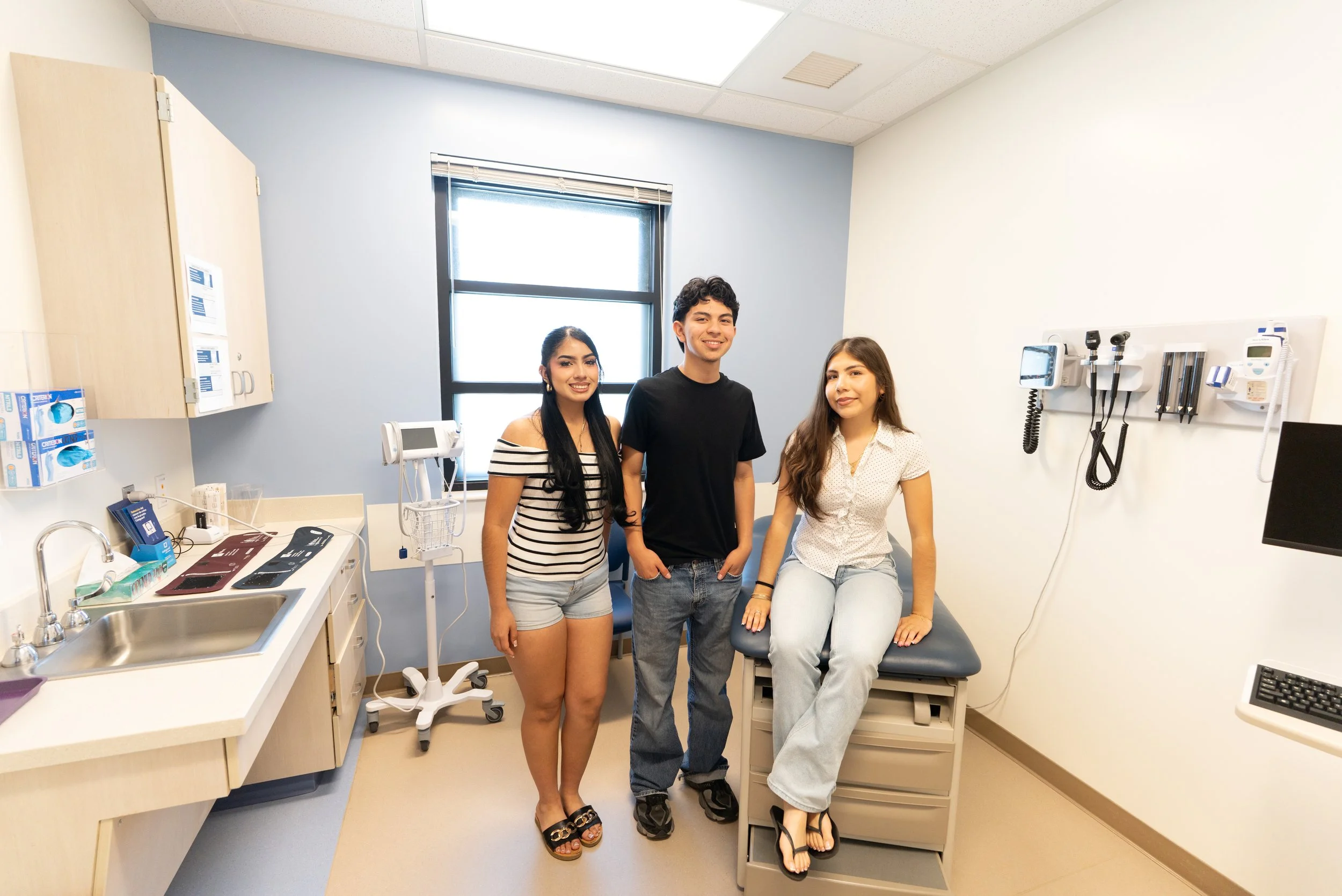
Wellness Youth Advocates at the Mendez High School Wellness Center
Join the Fight for Our Health
When access to care is under attack at the federal level, threatening the viability of comprehensive school-based healthcare, California must choose a different path. The Senate’s plan includes a fair share contribution solution, but the Assembly has not committed. The Governor and Legislature have until June 15 to reach agreement and pass the state budget. Join us in urging the Assembly to include long-term sustainable revenue solutions in its final proposal. Cutting healthcare is not inevitable—it is a choice. California can choose a different path: reject cuts and raise revenue instead.
Two ways to take action TODAY
Use this tool to quickly message your Assembly Member.
Call these key Assembly Members
Script: ‘Hi, I am [NAME]. I am calling to ask Assemblymember [LEGISLATOR NAME] to support sustainable revenue solutions and ensure that corporations pay their fair share. Millions of Californians are at risk of losing lifesaving Medi-Cal coverage, which will have serious consequences for the viability of school-based healthcare. We must remember that keeping adults covered is a children’s health issue.’
Assemblymember Rivas (916) 319-2029
Assemblymember Gabriel (916) 319-2046
Assemblymember Addis (916) 319-2030
Assemblymember Aguiar-Curry (916) 319-2004
Assemblymember Wicks (916) 319-2014
Assemblymember Haney (916) 319-2017
Assemblymember Mark Gonzalez (916) 319-2054
Assemblymember Harabedian (916) 319-2041
Assemblymember Bauer Kahan (916) 319-2016
How will Medicaid cuts impact school-based healthcare?
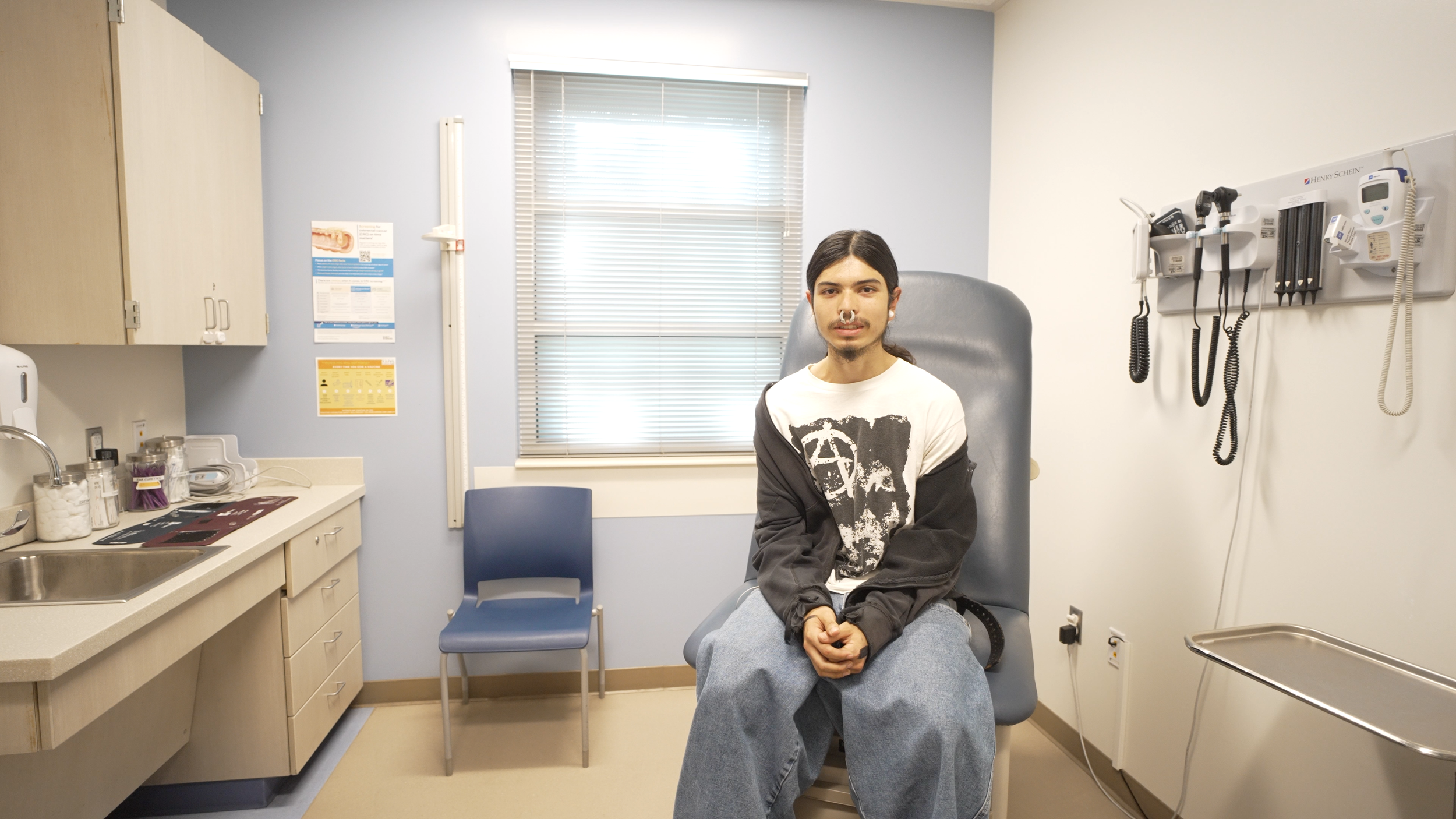
A Manual Arts High School student visits the wellness center
Medicaid (known as Medi-Cal in California) is the financial backbone of school-based healthcare. Care includes physical, behavioral, and oral health services delivered by school health staff, school-based health centers (SBHCs), and community providers. As California begins phasing in federal Medi-Cal cuts, school health systems are grappling with what coverage loss and system strain will mean for student health.
Passed in July 2025, the federal budget reconciliation bill (H.R.1) cuts almost $1 trillion in Medicaid funding over the next decade. Because Medicaid is an entitlement program, which means the government is required to cover anyone who qualifies, Congress achieved cuts by changing eligibility. Changes include making some legally present humanitarian immigrants ineligible, adding work requirements, and requiring twice-yearly eligibility redeterminations. California estimates these provisions could push more than 3 million Medi-Cal members, nearly 20%, out of the program. Additional provisions, such as limits on state financing and new restrictions on Covered California, will reduce care options and strain the state budget.
When adults lose coverage—children suffer
While work requirements and six-month redeterminations apply only to adults over age 19, entire families will be impacted. For example, adults with children are exempt from work requirements—but if your children are over 13, they apply to you. Research shows that when parents have health coverage, children are more likely to be covered, access care, and experience greater financial stability—reducing levels of toxic stress that harm long-term health and development. Keeping adults connected to care is a children’s health issue.
Coverage rollbacks and immigration enforcement threaten health
California is the first state to extend state-funded Medi-Cal coverage to undocumented residents of all ages, improving health outcomes for non-citizen children. Despite this progress, the enacted 2025-26 State Budget freezes new enrollment for undocumented adults and applies a $30 monthly premium. Balancing the budget on the backs of immigrant communities is a dangerous strategy. Nearly 20% of LA County residents are undocumented or living with an undocumented family member, and 1 in 5 children under 5 has at least one undocumented parent. Restrictions on health coverage, combined with aggressive immigration enforcement, pose serious risks to family and community health.
Coverage cliff threatens financial viabilityof school-based healthcare
These coverage losses don’t just affect individual families—they directly undermine the financial foundation of school-based healthcare.
1 in 3 LA County residents are covered by Medi-Cal, including 60% of all children under 18. The UC Berkeley Labor Center projects that 1.1 million LA County residentscould lose coverage due to H.R.1 and the 2025–26 state budget—roughly one-third of current enrollees. This would significantly reduce the number of insured students for billing. A 2025 national survey of 1,400 school district leaders about the impact of Medicaid cuts: 80% expect reductions and layoffs of school health staff, and 70% expect reductions in mental and behavioral health services. Community Health Centers, which support many SBHCs, face additional losses from state budget changes that could reduce clinic revenue by up to one-third. This may force already thin-margin SBHCs to close.
For students, this may mean fewer available services, longer wait times, and reduced access to community providers. Without policy intervention, school-based healthcare and student access will suffer.
Mobilizing to protect families from harm
These cuts follow years of investment and innovation in school health. While they threaten to slow progress, the systems and partnerships to support students remain.
Schools continue to be a critical access point for care. Now more than ever, LA County schools must maximize Medi-Cal reimbursement. And state and local governments must act now to fill budget gaps and mitigate the coverage cliff.
State policymakers should:
Increase state revenue to fill gaps. The Fight for Our Health Coalition is working with the legislature to achieve this.
Maintain coverage for lawfully present immigrants and the state-funded population.
Fund and leverage Community Health Workers and Navigators to help keep people connected to care.
LA County should:
Explore revenue options to fill gaps, such as Measure ER.
Maximize resources through inter-agency integration.
Schools and school-linked providers should:
Implement the statewide multi-payer fee schedule that facilitates billing for school-linked behavioral health services.
Utilize the dyadic services benefit, which provides behavioral health services to the parent or caregiver and child together but only the child’s Medi-Cal is billed.
To stay engaged in efforts to protect school-based healthcare, join the School Health Policy Roundtable mailing list.
Understanding Measure ER and its impacts on school health
Due to federal Medicaid cuts and California’s coverage restrictions for undocumented adults, 1.1 million LA County residents—nearly one-third of enrollees—could lose coverage by 2028, jeopardizing the health of students, their families, and the school-based systems that support them.
In response, the LA County Board of Supervisors has advanced Measure ER, a June ballot proposal to create a temporary sales tax to stabilize the local health safety net. The plan would allocate up to 45% of revenue to care for uninsured residents and 4% specifically for school-based health programs.
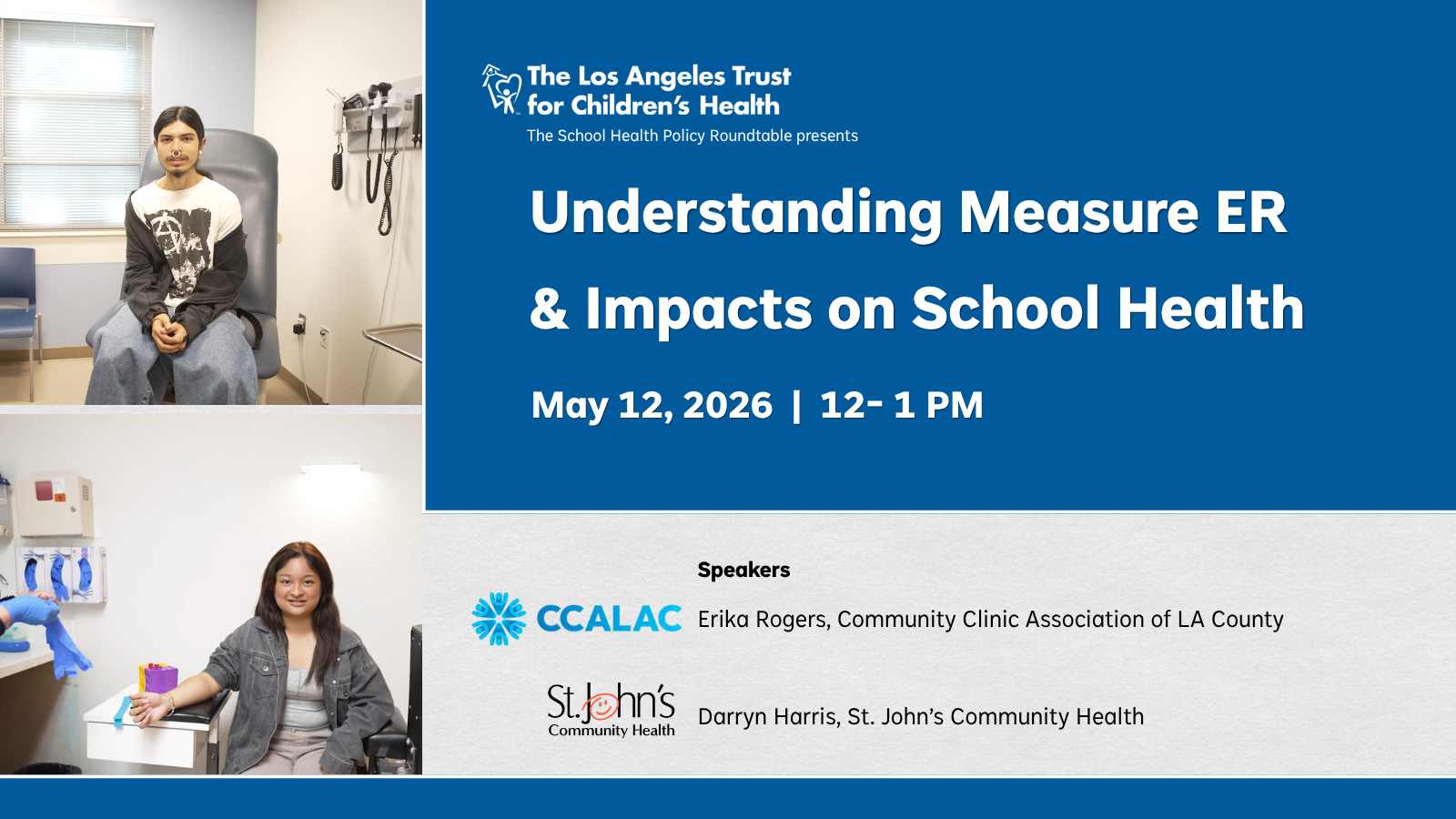
The L.A. Trust School Health Policy Roundtable, in collaboration with the Community Clinic Association of LA County and St. John’s Community Health, invites you to a learning session to understand Measure ER and what it means for schools and communities.
Tuesday May 12th | 12 – 1 PM
Register Here
From Watts to Rome: Genesis Cruz’s journey in youth advocacy, environmental justice, and global learning

Genesis Cruz during her study abroad in Italy
Genesis Cruz, a 2023 graduate of Jordan High School in Watts, South L.A., is now a student at the University of Southern California (USC). A former Wellness Youth Advocate (WYA), she has spent the past several years building a path rooted in advocacy, education, and youth empowerment. What began as a student leadership opportunity in high school has grown into a journey that now spans classrooms in Los Angeles, community work in South Central, and study abroad experiences in Rome, Italy. Her journey first took shape through her involvement as a Wellness Youth Advocate with The L.A. Trust, where she began developing her voice as a youth leader.
Starting with youth voice at The L.A. Trust
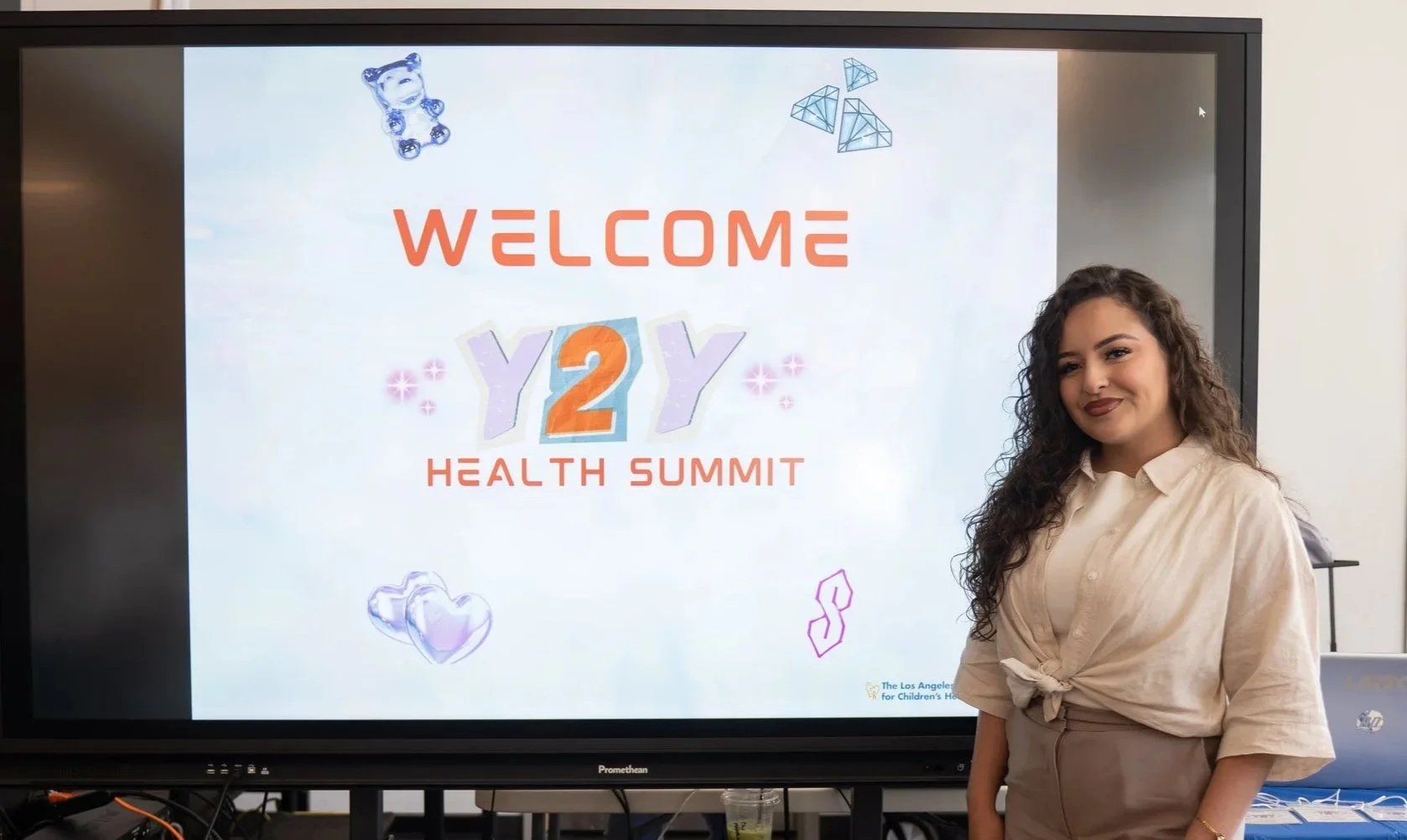
Genesis at the 2025 Y2Y Health Summit
Genesis first became involved as a Wellness Youth Advocate (WYA) after learning about the program through a friend at Jordan High School. What drew her in was not only the program itself, but the opportunity to speak up about issues affecting her community in Watts.
Even before joining, Genesis had a strong interest in health education and self-care, often encouraging her peers to prioritize wellness. But it was sexual health education, particularly in underserved communities, that became her central passion.
Growing up in a Latino household where conversations around sexual health were often avoided and viewed as taboo, she understood early on how silence could shape outcomes.
“I saw it in my family, including my own mom, with teen pregnancy and a lack of information from not having those conversations,” she explained. “I knew education needed to be part of the solution.”
A key influence during this time was her mentor, Jasmine Cisneros, an adult ally staff member with The L.A. Trust who led the WYA program. Genesis describes her leadership as collaborative and empowering.
“It didn’t feel like a hierarchy,” Genesis said. “It felt like we were building something together.”
That approach shaped how Genesis now engages with young people, centering trust, relatability, and shared experience rather than authority. That foundation with The L.A. Trust became the beginning of her long-term commitment to youth advocacy.
Early lessons in advocacy and environmental justice
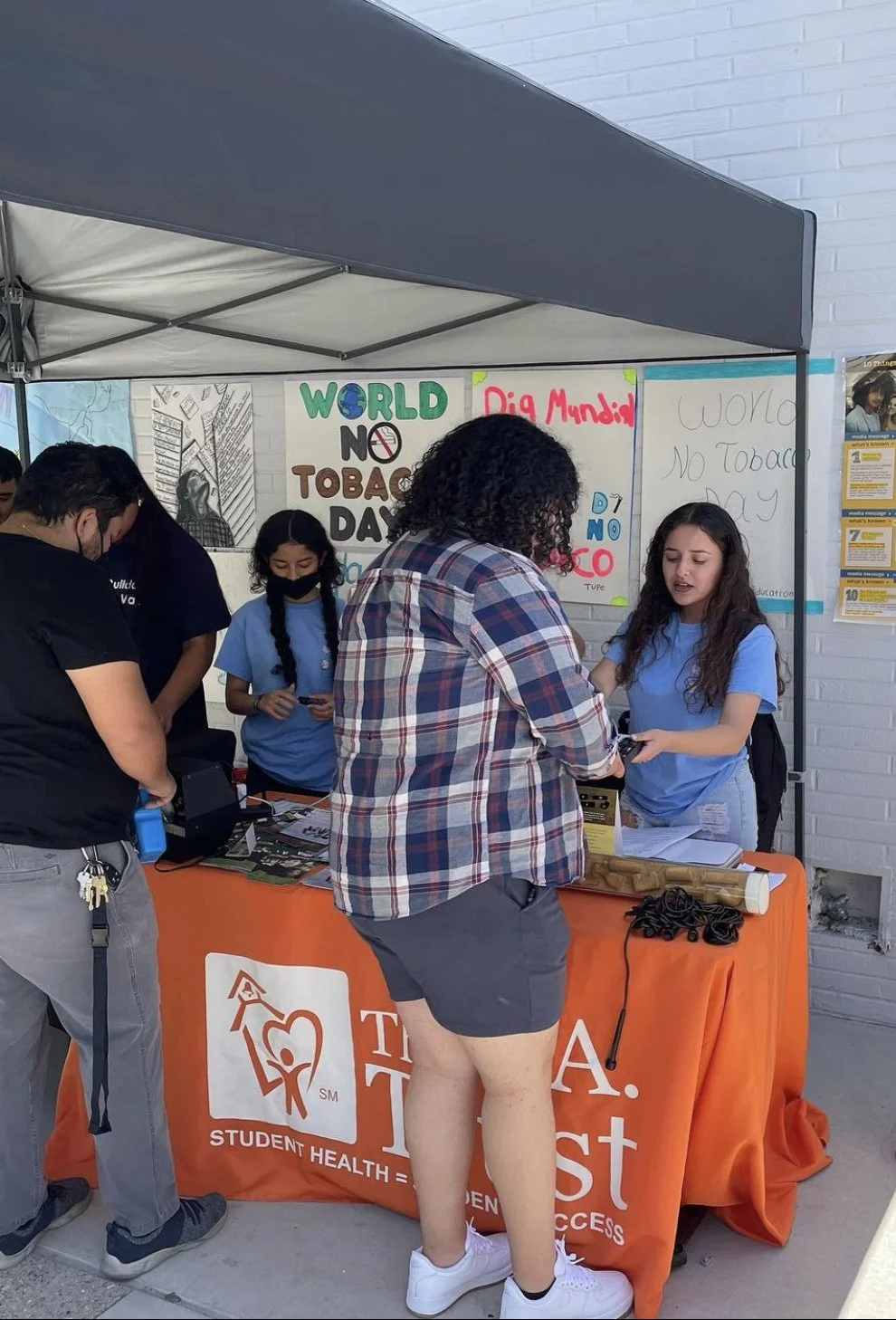
Genesis handing out resources during World No Tobacco Day
While still in high school, Genesis’s advocacy expanded beyond health education into environmental justice, particularly surrounding Atlas Iron and Metal Corp., a recycling facility located next to Jordan High School. The facility was accused of exposing students to toxic metals like lead, with some measurements far above safe levels.
Growing up in Watts, she initially saw the plant as just part of the neighborhood. It wasn’t until later through school-based advocacy and conversations with community partners that she began to understand its broader environmental and health implications.
“We didn’t realize it wasn’t normal,” she said. “It was just what we grew up around.”
Through advocacy efforts involving The L.A. Trust in partnership with the California Department of Toxic Substances Control (DTSC) and other community stakeholders, Genesis became part of youth-centered initiatives focused on environmental awareness, education, and community health.
Years of collective advocacy from students, organizers, and community members eventually led to a major milestone: Atlas Iron and Metal Corp. closed in 2025, marking a significant outcome for a community that had raised concerns for years. As someone involved in that movement, Genesis now reflects on the work with pride. “It showed me what consistency and collective voices can do,” she reflected.
From student advocate to community educator
After graduating from Jordan High School, Genesis carried her advocacy forward into college at USC, where she continues to study and engage in youth and community-focused work. At USC, she added Public Relations alongside her continued interest in health and wellness-related work, recognizing her strengths in communication, storytelling, and education.
She also gained professional experience through a marketing and communications internship with Nike, where she was drawn to collaborative, people-centered environments. “I like spaces where ideas and people come together. It didn’t feel like work,” she said. “It felt like connection, storytelling, and community.”
Advocacy beyond campus: The L.A. Trust and community work
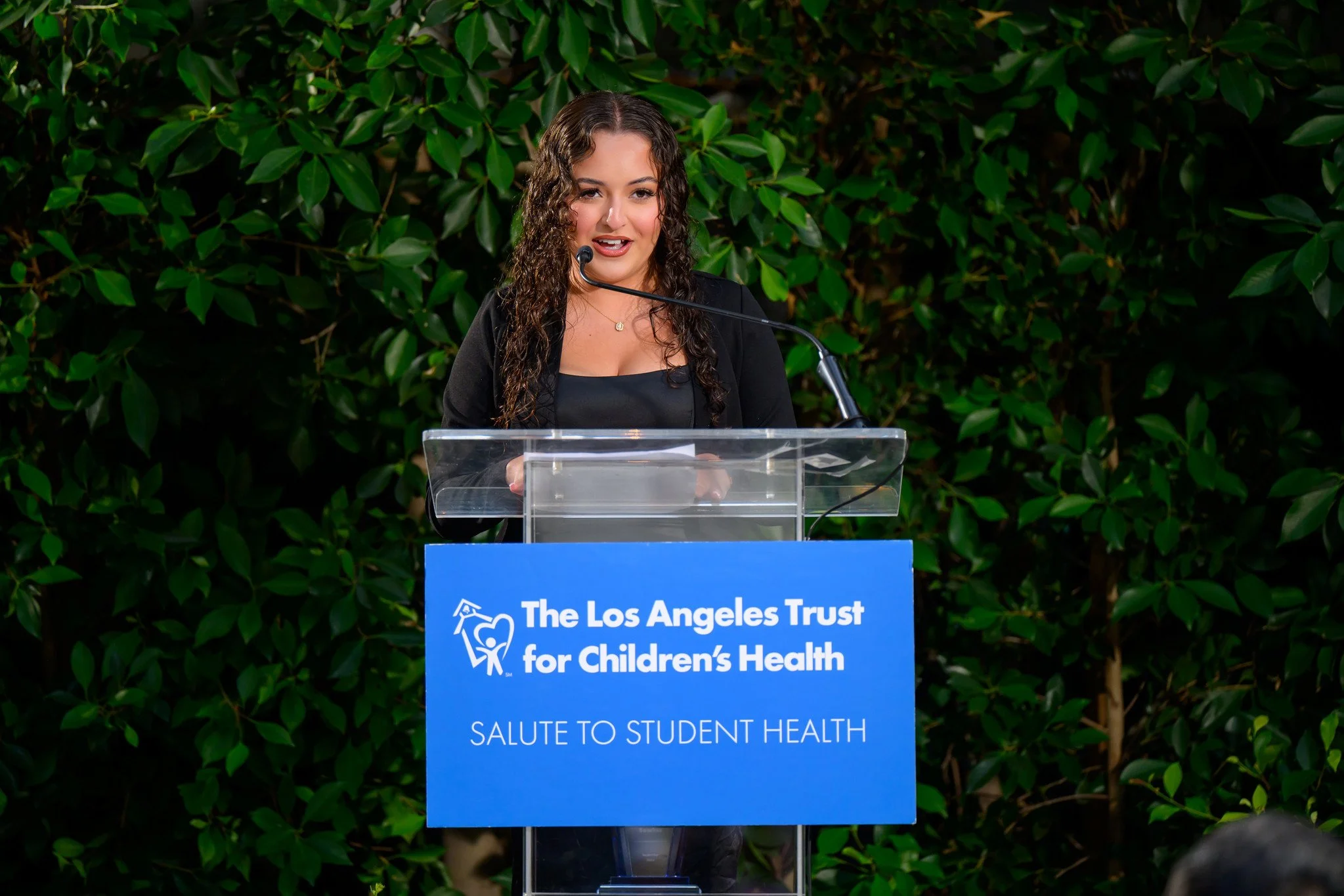
Genesis, the student speaker at the annual Salute to Student Health Gala in 2024
Genesis’s connection to The L.A. Trust and youth advocacy didn’t end after high school, it evolved. She took a position with The L.A. Trust, leading the youth advocacy initiative funded by a fine paid by Atlas Iron and Metal Corp., the result of a lawsuit brought by DTSC. Genesis’s involvement included outreach efforts related to environmental justice concerns affecting her former school community.
When not in Rome, she also volunteers her time with Women and Youth Supporting Each Other (WYSE), a USC-affiliated volunteer program where she teaches sexual health and wellness education to middle school girls in South Los Angeles. For Genesis, the goal is simple: create the space she once needed but didn’t always have. “I didn’t have those conversations growing up,” she said. “So, I try to be that person for them.”
Much of her approach is shaped by her own experience as a student advocate with The L.A. Trust, especially her experience around the need for safe, relatable spaces for youth to speak freely. Through anonymous question boxes and open discussion, she creates space for students to ask questions about relationships, consent, and health without fear or judgment.
Studying abroad in Italy: growth beyond the classroom

Genesis at the Trevi Fountain in Rome
Through USC, Genesis was selected for a study abroad program in Rome, an experience she chose to broaden her academic and cultural perspective. She was drawn to Italy for its history, culture, and connection to language learning, but the experience quickly became deeply personal as well.
Early in her time abroad, she became seriously ill, forcing her to slow down for the first time in years. “I had to stop and take care of myself,” she said. “That was new for me, and it changed how I think about wellness.” That period marked a shift in how she understood wellness, not just as something to advocate for others, but something she needed to prioritize for herself. “I realized I had been so focused on everyone else,” she reflected, “and I hadn’t really checked in with myself.”
New perspectives on inequality, culture, and daily life
While in Italy, Genesis also volunteers at a local middle school, working with students around age 11. The experience offered a new lens to compare educational environments abroad with those she knows in South L.A. “The differences are real,” she said carefully. “It makes you think about access and opportunity in a different way.”
Living abroad also gave her a new lens on lifestyle and culture, including slower-paced living and different approaches to community and daily life compared to Los Angeles. “You start to see how different life can be outside what you know,” she reflected. “There’s less pressure to constantly consume or keep up,” she noted. “People just live.” That observation led her to reflect on habits she had normalized growing up in L.A., including fast-paced living and constant social pressure.
Full circle: From The L.A. Trust to what’s next
Even as Genesis expands her experiences globally, her foundation remains rooted in The L.A. Trust and her early work as a Wellness Youth Advocate in Watts. That early experience, she says, taught her how to speak up, lead conversations, and trust her voice, skills she continues to carry into every space she enters, from USC classrooms to international settings.
As she looks ahead, Genesis hopes to continue building a career that blends advocacy, communications, and community impact, while staying connected to Los Angeles and the communities that shaped her. “I’ve grown a lot, but I always come back to where I started,” she said. For Genesis, the message that guides her journey is simple but steady. “Never stop caring,” she said. “If something matters to you, stay with it. That’s how change happens.”
Bright Spots in school wellness

A student at Elizabeth Learning Center
The L.A. Trust’s School Health Policy Roundtable brings together education and health leaders across L.A. County to advance policies that integrate student health into everyday school life. As part of this effort, the Roundtable has launched the Bright Spots Project, a multi-year initiative to highlight schools that are embedding health as a core component of student success. By documenting and sharing these examples, the project aims to inspire systems change and spread promising practices across the region.
We’re sharing case studies that highlight two big levers for lasting impact: School Health Workforce Development and Sustainable School Health Finance.
These aren’t just great ideas, they’re real examples of what’s already working. And we hope they’ll spark more action across our region.
Want to receive a presentation on one or more case studies? Contact Gabby Tilley Or Nekhoe Hogan.
Meet the Bright Spots
Lynwood Unified School District: Whole-child wellness through community schools
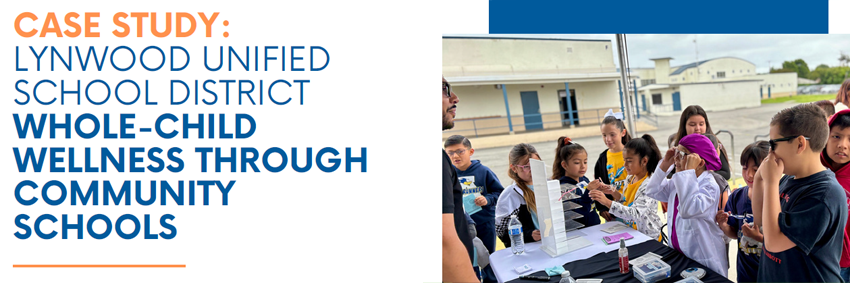
Through a strong commitment to community schools, Lynwood developed systems to align resources and sustain support for the whole child. Its Health Collaborative, now 40+ partners strong, coordinates school-based services across the district. With wellness embedded in their LCAP (Local Control and Accountability Plan), Lynwood is leveraging partnership power to meet student needs and achieve lasting impact.
Read the case study
Helpline Youth Counseling: Embedding Certified Wellness Coaches
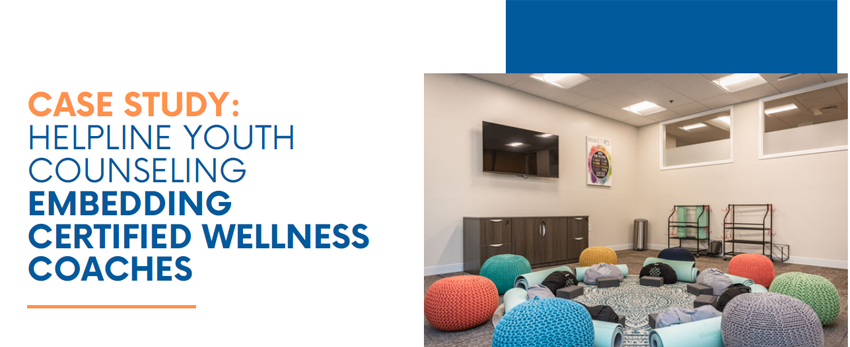
HYC embedded culturally responsive, certified wellness coaches into school-based Dream Centers, offering safe, healing spaces for students while building toward sustainable billing and shared staffing models with schools.
Read the case study
Monrovia Unified School District: Turns security staff into billable behavioral health providers
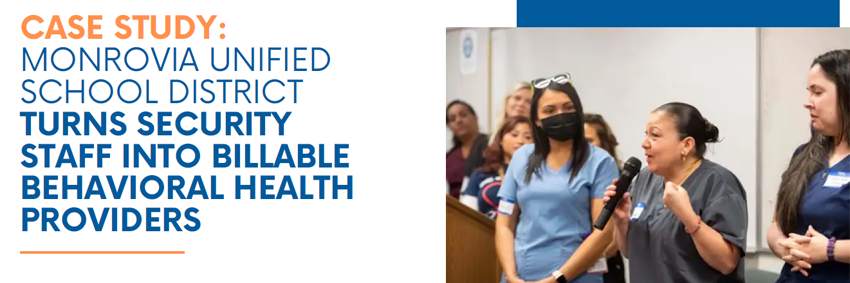
Monrovia is training classified staff (positions that don’t require certification), starting with campus security guards, as Community Health Workers who can bill Medi-Cal for the behavioral health support they already provide to students. It’s a bold strategy to strengthen student wellness and the workforce.
Read the case study
Green Dot Public Schools + Children’s Institute: A deep partnership model for sustainable school wellness
Children’s Institute isn’t just a service provider, it’s embedded in Green Dot’s community school model. Together, they’re aligning grant funding, wellness roles, and shared priorities to make mental health services sustainable and deeply integrated.
Read the case study
By sharing your story, you not only shine a light on the incredible work happening at your school, but you also help build a stronger, healthier future for students across L.A. County. Your bright spot could be the spark that inspires the next big breakthrough in school health integration. Let’s learn from each other, lift up what’s working, and move the field forward, together.
Policy roundtable sparks collaboration and student advocacy

A powerful policy roundtable uniting voices from public health, education, and student advocacy
On December 11, The L.A. Trust hosted the first-ever in-person Policy Roundtable at the Otis Booth Campus of Children’s Institute, Inc., bringing together leaders in public health, education, and student advocacy to discuss transformative strategies for improving community well-being.
The event, which focused on the intersections of safety, health, and peer support, featured dynamic presentations, innovative solutions, and heartfelt reflections from students about the vital role of school-based health services.

Kelly Fischer and TeDese Ross presenting on violence prevention and on Peer Support Specialists
Groundbreaking work in public health and education
Kelly Fischer, Deputy Director from the County of Los Angeles Public Health Office of Violence Prevention, opened the roundtable with an inspiring presentation on violence prevention through a public health lens. Fischer highlighted initiatives aimed at reframing safety as a fundamental human right, including trauma-informed system changes and the development of a School Safety Transformation Pilot in partnership with LAUSD.
Fischer’s address was followed by a compelling presentation from TeDese Ross, Assistant Principal at Monrovia Unified School District. Ross detailed his groundbreaking work with Peer Support Specialists, an initiative aimed at empowering individuals with lived experiences to become behavioral health advocates. He also outlined plans to leverage the CYBHI Fee Schedule to expand access to mental health services for students and families.
Student voices illuminate the importance of health services
While the speakers provided expert insights, the most impactful moments came from the students themselves. In a lively discussion, students shared how school-based health services are essential for fostering educational success and personal well-being:

From left to right, Esmeralda Guzman, Mandey Kim, Suzan Manoian, and Marco Cisneros-Farber presenting on the impact of school based health services
Suzan Manoian, former Clark Magnet High Schooler and current UCLA student, reflected on how school-based health services help address not only physical and mental health needs but also create a sense of connection on campus. She emphasized the need for diverse extracurricular opportunities to boost school pride and belonging.
Esmeralda Guzman, a 16-year-old student from Lynwood High School, passionately emphasized how critical school-based health services are to students’ overall success and well-being. "They provide essential resources that might not be available at home," she said. Esmeralda highlighted the challenges faced by her community, including food insecurity, socioeconomic disadvantages, and transportation barriers. "Without access to healthy and nutritious food, students are forced to rely on unhealthy options, which negatively impacts their well-being. School-based services lay the foundation for success by addressing these gaps."
Mandey Kim, a Marshall High School student, discussed the challenges faced by peers from low-income backgrounds. She called for stronger nutritional programs and collaborations with local grocery stores to ensure students have access to healthy meals, underscoring the link between diet and academic performance.
Marco Cisneros-Farber, a senior at Gabrielino High School, highlighted the struggles of English learners at his school, advocating for inclusive programs that build community and reduce social isolation. He also emphasized the importance of healthier food options to combat the prevalence of fast food near schools.
Looking ahead

Students, educators, and health leaders share their insights
The first in-person Policy Roundtable was a milestone in bringing together diverse perspectives to drive meaningful change. As conversations continue, the insights shared by students, educators, and public health leaders will serve as a blueprint for creating safer, healthier, and more connected communities.
Peer-to-peer health advocates receive generous funding--and a new name!
Thanksgiving month is the perfect time to acknowledge the many generous organizations that make our student engagement work possible. This ten-year-old program supports student leaders to become change agents on their campus and in their communities. Our Adult Allies guide students to develop their critical thinking abilities through modules on peer support as well as on physical and mental health, and support them as they plan and execute campus and community-wide health campaigns.

Student Advisory Board members are now called Wellness Youth Advocates
Formerly known as Student Advisory Boards (SABs), this program was renamed this fall: Wellness Youth Advocates, or WYA is the new handle! This new name, which also playfully nods to the popular “Where You At?” (WYA) slang among teens, gives students a relatable and modern identity. WYA groups are a unique and powerful way to harness young people’s power to determine health and mental health outcomes. Throughout 2024 funders continued to show their prescience and compassion by supporting these young people.
The Carol and James Collins Foundation is once again generously supporting an Adult Ally for the current school year. FCancer, which has long supported our students in health campaigns on cancer prevention and the HPV vaccine, has come forward again to avert tragic consequences in the lives of young people. The Green Foundation has generously continued its general operating support, used in part to support the WYAs.
Health Net beneficently supported four WYA groups in their mental health peer-to-peer work, supplying needed salary support for our Adult Allies as well as campaign supplies and student stipends. Another consistent funder is Insperity, the company to which we outsource much of our human resources needs; they also helped support the students’ mental health campaigns this year.
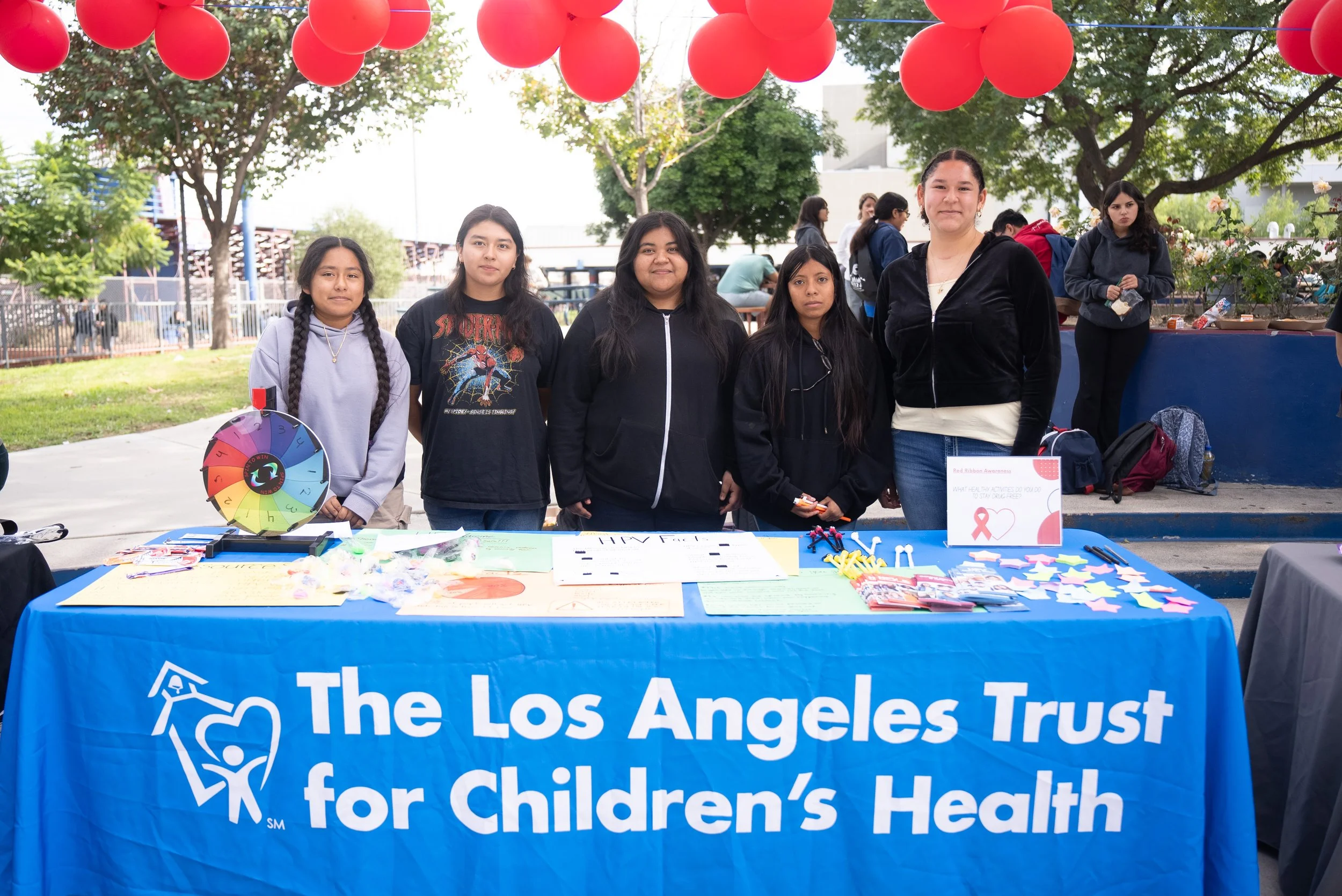
Wellness Youth Advocates from Garfield High School promoting HPV Vaccinations at a tabling event
Kaiser Permanente remains a solid partner to schools throughout the state, and their support for our SABs/WYAs has continued through Adult Ally salary and other support. The William M. Keck, Jr., Foundation is also keenly interested in sustaining efforts to improve students’ mental health; they supported this work last year for the second time.
Over the last two years the Pritzker Foster Care Initiative has made seminal grants for curriculum development and evaluation of our peer-to-peer efforts. The curriculum revision helped us align the student modules with a new reimbursable role called Peer Support Specialist; we hope that further advocacy will provide a pre-career pathway from which students can take off into mental health career specialties.
Two organizations stepped up to support specific schools: FundaMental Change, helmed by Angela Padilla and focused on the San Fernando Valley, helped support a new WYA at Charles Maclay Middle School in Pacoima. And we’re delighted that first-time funder U.S. Venture Schmidt Family Foundation is supporting Jordan High School in Watts this year.
UniHealth Foundation has made a crucial contribution by supporting two schools over a two-year period. Last but not least, the Children and Youth Behavioral Health Initiative granted by the state’s Department of Public Health, Office of Health Equity, is supporting six of our campuses over a three-year period. This grant covers salary support, student stipends, and campaign materials as well.
Many other funders generously contributed to general operating support and to our Policy, Oral Health, and Data xChange areas, all of which help to fuel best practices in our work with students and their campuses’ Wellness Centers. We remain grateful for the opportunity to do this work with the support of so many, and remain committed to our combined efforts to provide young people with what they need at school to embark on healthy, fulfilling lives.
Advocating for youth amid Sacramento's budget cuts

California Governor Gavin Newsom speaking at the State of the State address in Sacramento, CA
Summertime in Sacramento means heated budget negotiations as the state grapples with a $27 billion deficit. On May 10th, Governor Newsom unveiled his proposal, which included $30 billion in cuts to youth mental health, public health infrastructure, and core human services programs. These cuts threaten California’s progress toward health equity and have real consequences for children and families struggling to make ends meet. While we understand the need to address the deficit, cutting programs that help children thrive should be a last resort.
One of the many harmful cuts proposed would directly impact The L.A. Trust and the students we serve. The L.A. Trust had been awarded a Public Education and Change Campaign grant from the Children and Youth Behavioral Health Initiative (CYBHI). Newsom’s revised budget would eliminate this entire grant program, leaving six Student Advisory Boards without funding. With only a few weeks before the June 15th budget deadline, we needed to act quickly to make our voices heard.
With the support of our grant administrator, the Public Health Institute, we joined a coalition of 28 community-based organizations to advocate for the restoration of youth mental health funding. The Youth Mental Health Equity Coalition launched a petition and held meetings with key budget leaders in the legislature. The L.A. Trust conducted five legislative visits with representatives from the districts we serve, urging them to reject the proposed cuts. Staff members called and emailed their representatives, emphasizing the message: investment in prevention saves lives. Our youth’s mental health is non-negotiable.
After two weeks of advocacy, the legislature released its counterproposal to the governor’s plan. We were relieved and grateful to see that the legislature aimed to restore funding for the Public Education and Change Campaign grant. This inclusion is a testament to the power of advocacy. We succeeded in humanizing a budget line and earning the legislature's support. Now, we eagerly await the final budget. Negotiations will continue through the end of June, and we will continue to advocate for youth mental health equity.
Resources
PEER POWER: harnessing workforce dollars to scale youth peer support and transform schools

The Los Angeles Trust for Children’s Health and California Children's Trust recently released a new brief on the extraordinary effectiveness and benefits of peer support among middle and high-school-aged youth. The brief, titled Peer Power (P2P), illustrates the case for continued funding to implement school-based peer-to-peer programs. By allocating existing youth workforce development dollars towards school-based peer-to-peer programs we can support youth mental health, provide real world skills, and cultivate a more empathetic, health-conscience workforce.
Today we have a unique opportunity to enact systemic change as mental health awareness is at an all- time high, social justice movements are gaining momentum, and there is a political will to rethink how we address mental health fairly and equitably. California is investing billions into initiatives aimed at transforming health and education systems to ensure all young people can thrive.
The existing behavioral health system is inadequate, with many youths not receiving the necessary support. While students are experiencing increasing rates of anxiety, depression and suicide, schools are increasingly seen as key in addressing this crisis. Ongoing investments are crucial to the success of these school-based mental health services.
The P2P brief proposes leveraging ongoing education investments to establish a sustainable youth peer support system, emphasizing the unique benefits young peers can offer. While initial funding can kickstart peer-to-peer programs, ongoing funding mechanisms are essential for scalability. This approach not only supports youth mental health but also creates economic opportunities and fosters a more culturally sensitive behavioral health workforce. Overall, by seizing this opportunity to expand peer support, we can effectively address California's youth mental health needs.
At the heart of this vision lies the concept of culturally centered, community-driven care drawing inspiration from movements such as reproductive justice, disability justice, and Black liberation, emphasizing the importance of collective care for a healthy society. Peer support is highlighted as a crucial element in fostering a thriving behavioral health ecosystem, where young people can help each other navigate challenges. School-based peer support programs equip students with the tools to heal themselves and others, empowering them to effect positive change. Additionally, peer support offers opportunities for young people to find strength in their identities and experiences, bridging gaps in traditional healthcare roles.

By leveraging workforce investments to bring peer support to scale, schools can cultivate a more diverse and inclusive healthcare workforce. Continued workforce investment will enable new accessible career paths that include Peer Support Specialists, Community Health Workers and Wellness Coaches. These entry points into the healthcare sector are a gateway to a culturally concordant workforce.
Peer support operates on the principle that individuals feel more at ease discussing personal issues with peers who share similar experiences, correcting power imbalances often felt with clinicians or adults. Trained peers facilitate connections and share coping strategies, contributing to student wellness.
In a time marked by momentum for social justice and a renewed focus on youth mental health, the brief Peer Power offers a timely and insightful roadmap for change. Discover how investing in peer support can not only bolster mental health services but also foster economic opportunity and diversity in the healthcare workforce. Read the full brief to join the movement towards a brighter, more inclusive future for California's youth. We encourage you to take a moment to explore the toolkit and share its resources widely within your networks.
Resources
Peer Power Brief (pdf)
Social Media Toolkit
Webinar Materials
Oral Health Initiative takes big leap forward in LAUSD schools

The L.A. Trust Oral Health Program Manager Nancy Ripoly at Willow Elementary School with kindergartners
At the onset of the 2023/24 school year, The Los Angeles Trust for Children's Health (The L.A. Trust) witnessed a remarkable surge in the number of kindergarten students receiving oral health screenings with one school alone accommodating 94 screenings in a single day. This is in stark contrast to the previous average of only 35 across select schools within L.A. Unified (LAUSD).
The increase in screenings is being attributed to the change from opt-in consent forms to opt-out forms. With the implementation of opt-out screenings, all students are included by default unless parents specifically decline participation. The new forms eliminated the need for individual parental signatures and streamlined the process. Opt-out consent represents a significant departure from traditional consent-based systems.
The change underscores the efficacy of opt-out screenings in reaching a larger portion of the student population and ensuring more children receive essential dental care. The new approach resulted in a significant increase in the number of students receiving dental screenings, with only a fraction of parents opting out compared to the previous consent-based model.
The idea of providing dental screening at school is part of a groundbreaking Oral Health Initiative led by The L.A. Trust with the Oral Health Advisory Board, a group of public healthcare leaders and private providers. The initiative aims to enhance children's oral health throughout Los Angeles County.

Dental screening of a kindergartner student
“We’ve been advocating for this change for years and we are excited about what this means moving forward,” said Maryjane Puffer, Executive Director of The L.A. Trust. “The success of opt-out screenings extends beyond mere numbers; it represents a significant milestone in the broader effort to enhance children's oral health across Los Angeles County.”
LAUSD provided essential data to support the transition to opt-out screenings, further solidifying the collaborative effort behind this initiative. With improved data collection facilitated by onsite screenings, officials can now better measure the effectiveness of oral health prevention and intervention programs, paving the way for more targeted initiatives in the future.
The implementation of opt-out screenings aligns with the broader legislative efforts to address oral health disparities in California. Assembly Bill 1433, enacted in 2005, laid the groundwork for the Kindergarten Oral Health Assessment, which aims to mitigate tooth decay among young children. The subsequent amendment through Senate Bill 379 in 2018, allowed for onsite screenings with an opt-out consent option. This marked a significant stride towards achieving this goal. Since then, The L.A. Trust and its partners have been working with state, county and local health officials on creating and implementing a system of excellent oral care for students that is transparent, accountable, and able to track results.
The urgency of addressing oral health disparities in Los Angeles County cannot be overstated. Surveys have revealed alarming rates of tooth decay among kindergarten students, highlighting the critical need for early intervention and preventive measures. By providing accessible dental screenings in schools, particularly to children at greatest risk, Los Angeles County is taking proactive steps towards ensuring every child receives the necessary dental care for a healthy smile and a brighter future.
This endeavor was made possible with a grant from the Los Angeles County Department of Public Health Oral Health Program (LACDPH), which aims to provide oral health screenings, preventive care, and treatment to 77 schools across the county. This ambitious initiative has the potential to impact thousands by ensuring access to essential dental services for children in need.
The transition to opt-out dental screenings represents a paradigm shift in children's oral health initiatives in Los Angeles County. Through collaborative efforts and innovative approaches, The L.A. Trust and its partners are paving the way for a healthier, happier future for the county's youngest residents. With continued commitment and investment in preventive measures, we can strive towards a community where every child can smile with confidence.
A special Thank You to the LAUSD team for their advocacy and persistence:
Smita Malhotra, MD
Chief Medical Director
Dr. Ron Tanimura
Director of Student Health Services
Dr. Kevon Tucker-Seeley
Director, Data Privacy, Analysis, & Reporting Branch
Elevating student voices at the LAUSD Health Collaborative

Nathalie Galvan, Destiny Ramirez, and Thomas Rodriguez
On January 10th, Mendez High School Student Advisory Board (SAB) members Nathalie Galvan, Destiny Ramirez, and Thomas Rodriguez were among the panelists at the LAUSD Health Collaborative held at the California Endowment. The gathering was an exceptional opportunity for student health and educational leaders across Los Angeles County to come together; they shared unique perspectives, pitched innovative ideas, and engaged in constructive criticism among like-minded professionals.
This year’s event sought to elevate youth voices and learn from students how to best serve their health needs. Far too often student voices are left out of these important conversations.
The Mendez High School SAB members spoke to the audience about barriers they and their peers face when receiving services from school-based healthcare. They shed light on prevalent health concerns within their communities and provided valuable feedback on strategies to make healthcare more accessible to youth. Their contributions underscored the importance of early access to healthcare services through schools, and the need for more education in enrollment for comprehensive dental health coverage.

Thomas Rodriguez providing valuable feedback as a panelist
Student Thomas Rodriguez reflected on the event saying, "I had a lot of fun and I'm even more interested in public health!" His enthusiasm underscores the impact of including student voices in these discussions.
LAUSD Superintendent Alberto Carvalho emphasized the importance of forming partnerships with compassionate care providers, and LAUSD Chief Medical Director Dr. Malhotra discussed the value of data in driving change. Alongside them, The L.A. Trust board member Dr. Rebecca Dudovitz, a UCLA pediatrician and researcher, highlighted how social determinants of health affect student attendance and healthcare outcomes.
The event concluded on an empowering note, leaving attendees inspired by the youths’ perspectives and invigorated to break the silos in school-based health. It was a call to action for deeper collaboration, and a reminder of the overall purpose in the room - to serve their community.
The youth leaders left the event feeling heard, valued, and inspired. They advocated for themselves and their needs, and engaged with professionals who have the power to make the changes they need. This LAUSD Health Collaborative was a testament to the importance of youth voice and working collaboratively towards a healthier future for our students.
Tell Governor Newsom to sign AB 912
The SAFE Act passes the legislature and awaits Newsom’s signature

Assembly Bill 912 - the Strategic Anti-Violence Funding Efforts (SAFE) Act – passed both houses of the legislature and is on the Governor’s desk! Authored by Assemblymember Jones-Sawyer (D-Los Angeles) and co-sponsored by the California School-Based Health Alliance, AB 912 channels cost savings from prison closures into critical community programs, including state funding for school-based health centers (SBHCs).
We are proud to support this important piece of legislation. Now, we need your help in urging Governor Newsom to sign AB 912 into law!
Tell Governor Newsome to pass the SAFE Act!
Email - For Individuals
Click this link and select Topic: An Active Bill.
Scroll to select AB 912.
Click “Leave a Comment”
Select the stance “Pro”
In Subject field write: Sign AB 912 into law
In Message field: Copy and paste the language from this letter - feel free to personalize!
Send letter of support - For Organizations
Follow the template and instructions from this letter to email your organization’s personalized letter of support to the Governor’s staff.
Call
Call (916) 445-2841
Leave a message: “This is [YOUR NAME] and I urge you to sign AB 912 into law so children and youth in California can have access to critical primary and behavioral health support in schools!”
Tweet
Use the sample tweets and images in the toolkit to Tweet in support of AB 912!
Tag Assemblymember Jones Sawyer (@JonesSawyerAD57) and the Governor (@CAGovernor)
More About AB 912
AB 912 lays the foundation for a state-funded program that would start and support new school-based health centers in communities identified as having a significant need for child and adolescent health access. In addition, the legislation would:
Extend funding for the Youth Reinvestment Grant (YRG) that provides funds to local agencies and Native American tribes to implement culturally relevant, trauma-informed diversion programs for minors.
Reduce gang violence and gang involvement through programs modeled after successful ones, such as Oakland Ceasefire;
Expand evidence-based intervention programs for youth who are impacted by trauma; and,
Support parks and recreation opportunities, including summer youth leagues and extended programming.
If the Governor signs AB 912 into law, Assemblymember Jones-Sawyer will immediately work to pursue funding for the program during the current legislative session.
This is a critical opportunity to reinvest incarceration dollars into programs that reduce violence and support the well-being of children and youth. Tell the Governor to pass AB 912!
MHSA reforms update

MHSA addresses a broad continuum of prevention, early intervention, and service needs and the necessary infrastructure, technology, and training elements
Following weeks of negotiations and intense pressure from advocates, SB-326 - The Behavioral Health Services Act (BHSA) was amended on August 16th to protect critical funding for our kids. Prior to the amendments, The L.A. Trust and 11 member organizations of the School Health Policy Roundtable submitted a letter of concern that elevated the detrimental impact that a reduction of prevention funding for children and youth would have on our schools and communities. The letter was among the hundreds that the legislature received in response to the proposed reforms.
A win for children and youth
The amendments include a 51% set-aside for children and youth ages 0-25 within the prevention and early intervention funding categories, respectively, resulting in 11% of total Behavioral Health Services Act (BHSA) revenue going to kids. This is vital to prioritizing Children and Youth in mental health services and ensures that they will not be left behind in the reforms.
As amended, SB 326 would allocate 4% of BHSA funds to population-based prevention. This is an improvement from the first iteration of the bill, but it is still unclear whether current funding levels for youth prevention would be maintained or enhanced, as our letter of concern urges. This is critical to ensuring that we can build protective factors among our kids and that prevention remains a linchpin to California’s approach to addressing the mental health epidemic.
We want to thank all our partners who have joined us in our advocacy efforts and the entire LA Trust community for your ongoing support and interest.
What’s next?
The LA Trust for Children’s Health Policy Team will continue to monitor this bill as we approach the deadline to pass bills and support any opportunity to center youth services and increase funding. Additionally, we actively engage with our partners and collaborate within our MHSA Workgroup within the School Health Policy Roundtable.
Feel free to send questions/comments to Gabby Tilley at g.tilley@thelatrust.org.
From the Policy Desk of Gabby Tilley and Chris Anthony
The L.A. Trust honors Assemblymember Jones-Sawyer with the Visionary Award
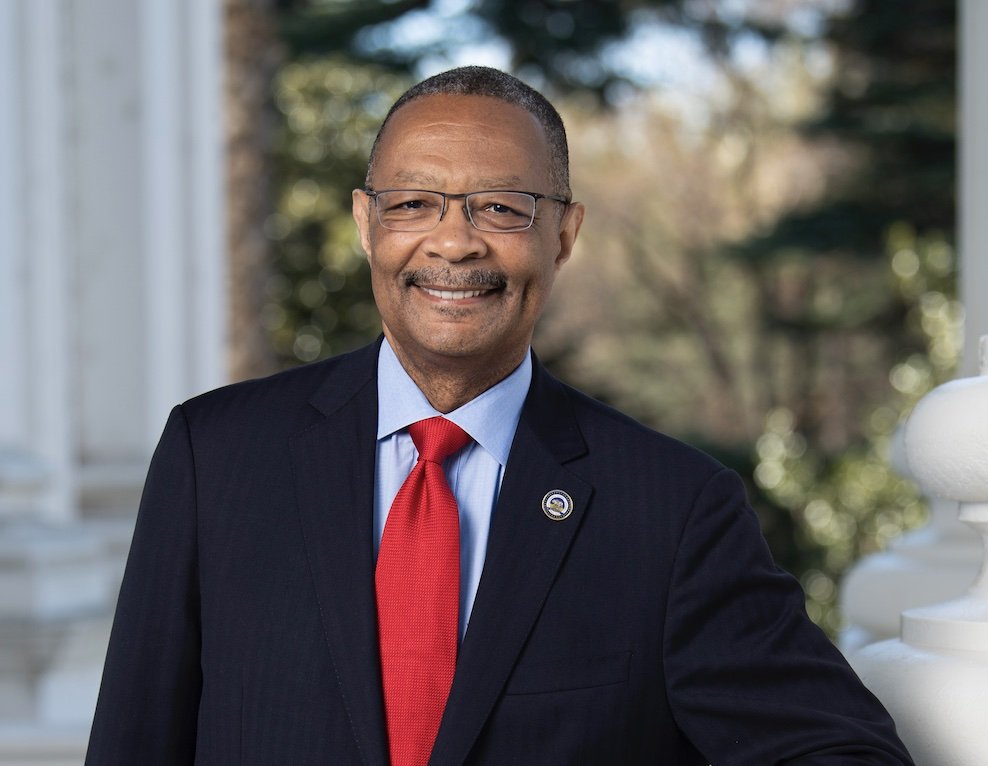
Reggie Jones-Sawyer California State Assemblymember,57th Assembly District
The Los Angeles Trust for Children’s Health is proud to announce that California State Assemblymember Reggie Jones-Sawyer from the 57th Assembly District will be receiving the 2023 Visionary Award. This recognition will be presented to Assemblymember Jones-Sawyer at the 3rd annual Salute to Student Health gala event on September 28 at Vibiana in downtown Los Angeles. The gala will bring together members of The L.A. Trust community including educators, healthcare providers, and supporters of the mission to bridge health and education to achieve student wellness.
The L.A. Trust’s Visionary Award recognizes Assemblymember Jones-Sawyer's commitment and leadership in crafting forward-thinking policies that promote greater access to healthcare, education, public safety, and enhancing our justice system. Assemblymember Jones-Sawyer has authored or co-authored legislation that has benefited the state of California and residents of the 57th District which includes portions of South-Central Los Angeles, Florence-Graham, Walnut Park and Huntington Park.
The L.A. Trust enthusiastically supports his work on AB 912—The Strategic Anti-Violence Funding Efforts (SAFE) Act. This groundbreaking legislation aims to redirect $235 million in annual savings from the closure of two state prisons towards violence prevention and community support, including school-based health centers. We are thrilled to see AB 912 take an upstream approach to violence prevention that prioritizes public health and leverages existing community assets. Less than 3% of California’s six million students have access to a school-based health center. The SAFE Act would help bring essential health services to more young people.
As the people's voice for the 57th District in the State Capitol, Assemblyman Jones-Sawyer has worked hard to put local neighborhoods first and to deliver results. Throughout his tenure, Assemblymember Jones-Sawyer has prioritized local neighborhoods. He has contributed to the increase in investment in neighborhood schools, making higher education more accessible and affordable, and has played a significant role in job creation policies. His advocacy for protections for immigrants, such as driver's licenses and healthcare for immigrant children, demonstrates his commitment to inclusivity and fairness.
The L.A. Trust is honored to recognize Assemblymember Reggie Jones-Sawyer for his outstanding leadership, dedication, and tireless efforts on behalf of the people he represents. His impact extends far beyond his district, positively shaping the lives of countless individuals throughout California.
Threat to funding underscores importance of youth-led prevention

MHSA addresses a broad continuum of prevention, early intervention, and service needs and the necessary infrastructure, technology, and training elements
A proposal from Governor Newsom to modernize the Mental Health Services Act (MHSA) has children’s advocates concerned. Passed by voters in 2004, the MHSA taxes personal incomes over $1 million to fund direct mental health services, wraparound supports, prevention, and workforce development. MHSA funds earmarked for youth prevention help fund The L.A. Trust’s Student Advisory Boards in partnership with the L.A. County Department of Mental Health, known as the Youth Community Ambassador Network. That’s because counties are required to spend 20% of their MHSA funds on Prevention and Early Intervention (PEI) programs; and 51% of PEI funds must be spent on individuals aged 25 and younger. With MHSA revenue projected at $3.5 billion this year, there should be at least $322 million available for youth prevention statewide. That would change under the Governor’s proposal.
Under the proposal, nearly one-third of MHSA money (roughly $1 billion) would be diverted to housing unhoused individuals with severe mental illness or drug addiction. PEI would be replaced by a “Prevention” category and receive 5% of total MHSA revenue. If in effect today, there would be $160 million available for prevention—with no set aside for children and youth. This would be a huge blow to organizations like ours that rely on PEI funding to support innovative youth-led programs. We recognize the critical need for housing support and see the proposal as unfairly pitting children and youth against the needs of adults with severe mental illness.
In the wake of the COVID-19 pandemic, our systems are ripe for transformation. Ambitious state efforts like the Children and Youth Behavioral Health Initiative and California Community Schools Partnership Program put forth a vision of the future where youth and families play a central role in shaping and upholding the institutions that serve them. Current MHSA regulations have enabled youth-led and community-based prevention and early intervention efforts, which are foundational to the future our state aspires to realize. The proposed changes run counter to that vision. We fear the result would be MHSA losing its focus on prevention and there’s no existing public funding to fill the gap.
The L.A. Trust School Health Policy Roundtable is working in coalition with statewide advocates to urge the state to preserve existing investments in children and youth mental health.
Take action
If you share our concerns, we urge you to call or email your state representatives now and let them know! This Advocacy Toolkit created by Children Now includes everything you need to take action.
Feel free to send questions/comments to Gabby Tilley at g.tilley@thelatrust.org.

Balancing priorities in times of economic uncertainty

California's proposed 2023-24 state budget prioritizes youth mental health and community schools
After two years of surplus and historic investment, economic uncertainty and a projected $22.5 billion budget deficit has California leaders taking a more measured approach to the 2023-24 state budget. At the unveiling of his proposed budget last Tuesday, Governor Newsom promised to continue the large initiatives funded during the surplus years, including $4 billion for community schools and $4.7 billion for youth mental health needs. Proposed new investments include $3.5 million ongoing for opioid overdose response on middle and high school campuses and additional funds for local prevention efforts. Far from final, the proposed budget is the first step in a long negotiation process that ends when the Legislature approves a final budget by the June 15th deadline.
In the meantime, schools across Los Angeles are beginning to implement two ambitious initiatives at the center of The L.A. Trust advocacy platform. Last year, L.A. County schools were awarded $92 million in implementation grants and $1.7 million in planning grants in the first round of California Community Schools Partnership Program funding. The L.A. Trust is thrilled to help schools implement these transformative investments as we partner with the L.A. County Office of Education and the UCLA Center for the Transformation of schools to serve as the Regional Technical Assistance Center for L.A. County.
Likewise, funding for school-based interventions through the $4.2 billion Children and Youth Behavioral Health Initiative (CYBHI) will begin opening this year. The L.A. Trust School Health Policy Roundtable submitted recommendations to the state regarding CYBHI that we will uplift locally though partnerships with our county mental health department, Medi-Cal health plans, and school and community partners.
These and other initiatives present an exciting opportunity to advance youth-centered systems of support in schools that help students thrive. We look forward to collaborating across sectors to achieve this vision.
Share our priorities? We’d love to partner. Contact Gabby Tilley at g.tilley@thelatrust.org to learn more.
We are in a moment of transformative opportunity

We are in a unique moment of opportunity to advance school-based healthcare. This year, students made their return to the classroom, bringing with them unmet health and mental health needs exacerbated by 2+ years of pandemic disruption. Luckily, California entered this year’s budget cycle with a $100 billion surplus and continued its trajectory of unprecedented public investments. Between this and next year’s budget, California has committed over $20 billion toward meeting the non-academic needs of K-12 students, including $4.7 billion to transform kids’ mental health and $4 billion (ongoing appropriation, unless it’s actively removed during the budget process it would remain in place) to provide afterschool and summer enrichment programs. We applaud the state’s effort to target historic investments toward Black, Latinx, Indigenous, and low-income communities, which experienced disproportionate harm from COVID-19 due to longstanding structural and systemic inequities.

Heightened interest and investment in youth mental health and school environments is elevating the role of school-based healthcare. The L.A. Trust School Health Policy Roundtable, a cross-sector collaborative of 33 organizations committed to advancing schools as centers of wellness, is working to ensure transformative investments in school health go toward building integrated, youth centered systems of care that help LA County youth succeed in school and life.
Learn more about the Roundtable and our policy goals here.
Share our priorities? We’d love to partner. Contact Gabby Tilley at g.tilley@thelatrust.org to learn more.
AB 1940 Awaiting Governor Newsom's Signature
We are proud to support AB 1940 (Salas): School-Based Health Center Support Program, state legislation sponsored by the California School-based Health Alliance. The bill is on Newsom’s desk awaiting signature or veto—take action to help pass AB 1940!

AB 1940 updates and modernizes the existing school-based health center (SBHC) grant program to meet the current needs of SBHCs in the state. The SBHC Program has existed in statute since 2007 yet has never been implemented due to a lack of funding. Unfortunately, funding for SBHC grants was left out of the 2022-23 state budget, but passing AB 1940 is an important step toward dedicated state funding.
TAKE ACTION
Tell Governor Newsom to sign AB 1940