California must choose revenue over cuts to protect children's health
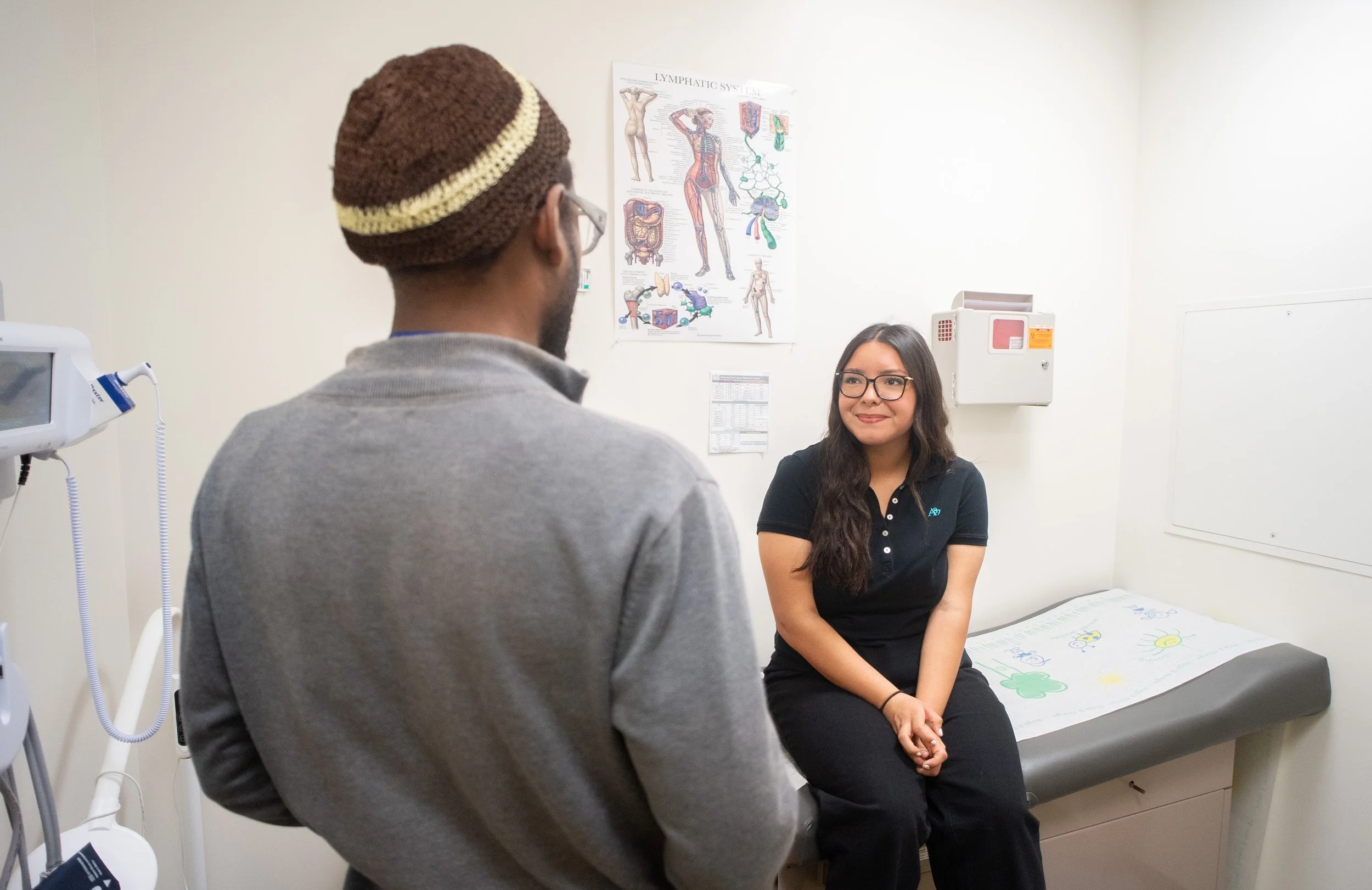
A MaCES High School student visiting the school Wellness Center
The California state budget deadline is fast approaching, making this a critical time to advocate for investments that uphold the state’s commitment to health for all. Despite improved revenue projections, Governor Newsom is choosing to scale back access to Medi-Cal instead of pursuing new revenue.
Last year’s budget restricted immigrant access to Medi-Cal by freezing new enrollment for undocumented adults, imposing new premiums, and reducing payments to providers. Newsom’s latest budget proposal goes even further by increasing premiums and imposing federal work requirements on the state-funded population.
These changes, on top of the H.R.1 impacts, have real consequences for school-based healthcare. Enrollment restrictions and premiums will push people off coverage. Payment reductions will cost federally qualified health centers in Los Angeles County alone an estimated $400 million annually, threatening the school-based health centers they operate.
The proposed budget also scales back Enhanced Care Management and Community Supports—key innovations in Medi-Cal designed to help youth and adults with complex needs. These initiatives were intended to address root causes of poor health and reduce expensive crisis care. Rolling them back undermines that progress.
These rollbacks are deeply concerning. While providing comprehensive healthcare requires investment, the cost of not doing so is far greater. When California balances its budget on the backs of marginalized communities, the impacts ripple across all of us, including children who rely on school-based care.
We don’t have a spending problem—we have a revenue problem.
Governor Newsom touted the state’s economic dominance as he unveiled his revised budget. And yet, his budget stops short of translating that prosperity into meaningful support for those being left behind.
Many Californians struggle with rising costs and stagnant wages, even as corporate profits have surged. Yet corporations pay roughly half as much in state taxes as they did in the early 1980s. These same entities will benefit from H.R.1’s tax breaks—the very legislation that is gutting the health programs low-income Americans rely on.
At the same time, many of these corporations employ workers who rely on Medi-Cal, pointing to a clear path for protecting the program. The Senate budget proposal states that 42% of Medi-Cal enrollees are full-time workers who are not enrolled in employer-sponsored coverage. When employers choose not to provide adequate wages or health benefits, taxpayers fill the gap—subsidizing workers’ healthcare instead of the companies themselves.
Solution: An employer fair share contribution
We are joining the Fight for Our Health Coalition in advocating for a Medi-Cal fair share contribution that requires corporations contribute to the public cost of their workers’ healthcare. This approach could generate billions in sustainable funding, helping offset federal cuts and protect over a decade of progress toward universal coverage.
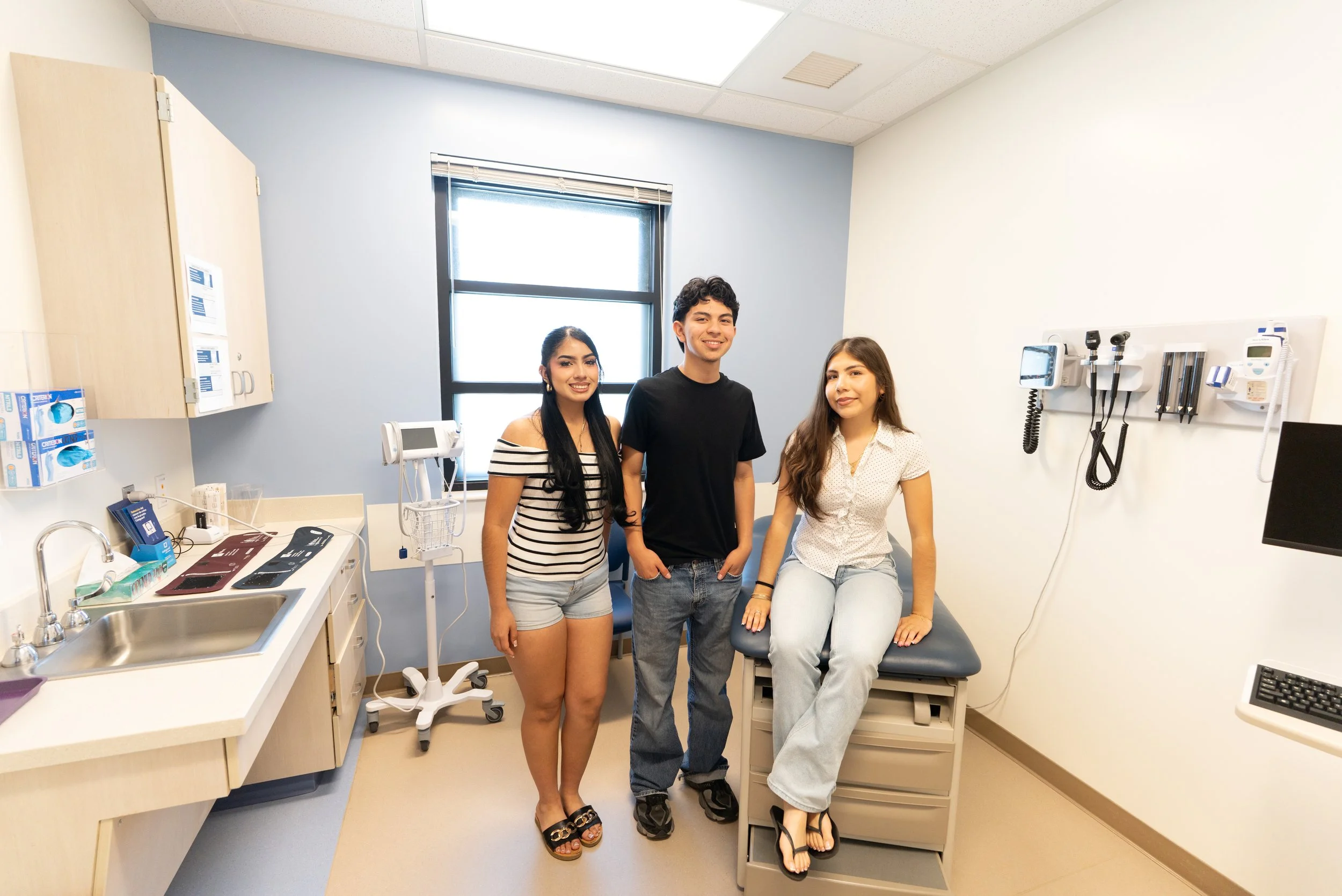
Wellness Youth Advocates at the Mendez High School Wellness Center
Join the Fight for Our Health
When access to care is under attack at the federal level, threatening the viability of comprehensive school-based healthcare, California must choose a different path. The Senate’s plan includes a fair share contribution solution, but the Assembly has not committed. The Governor and Legislature have until June 15 to reach agreement and pass the state budget. Join us in urging the Assembly to include long-term sustainable revenue solutions in its final proposal. Cutting healthcare is not inevitable—it is a choice. California can choose a different path: reject cuts and raise revenue instead.
Two ways to take action TODAY
Use this tool to quickly message your Assembly Member.
Call these key Assembly Members
Script: ‘Hi, I am [NAME]. I am calling to ask Assemblymember [LEGISLATOR NAME] to support sustainable revenue solutions and ensure that corporations pay their fair share. Millions of Californians are at risk of losing lifesaving Medi-Cal coverage, which will have serious consequences for the viability of school-based healthcare. We must remember that keeping adults covered is a children’s health issue.’
Assemblymember Rivas (916) 319-2029
Assemblymember Gabriel (916) 319-2046
Assemblymember Addis (916) 319-2030
Assemblymember Aguiar-Curry (916) 319-2004
Assemblymember Wicks (916) 319-2014
Assemblymember Haney (916) 319-2017
Assemblymember Mark Gonzalez (916) 319-2054
Assemblymember Harabedian (916) 319-2041
Assemblymember Bauer Kahan (916) 319-2016