California budget delays health care rollbacks while the fight for Fair Share Contribution continues
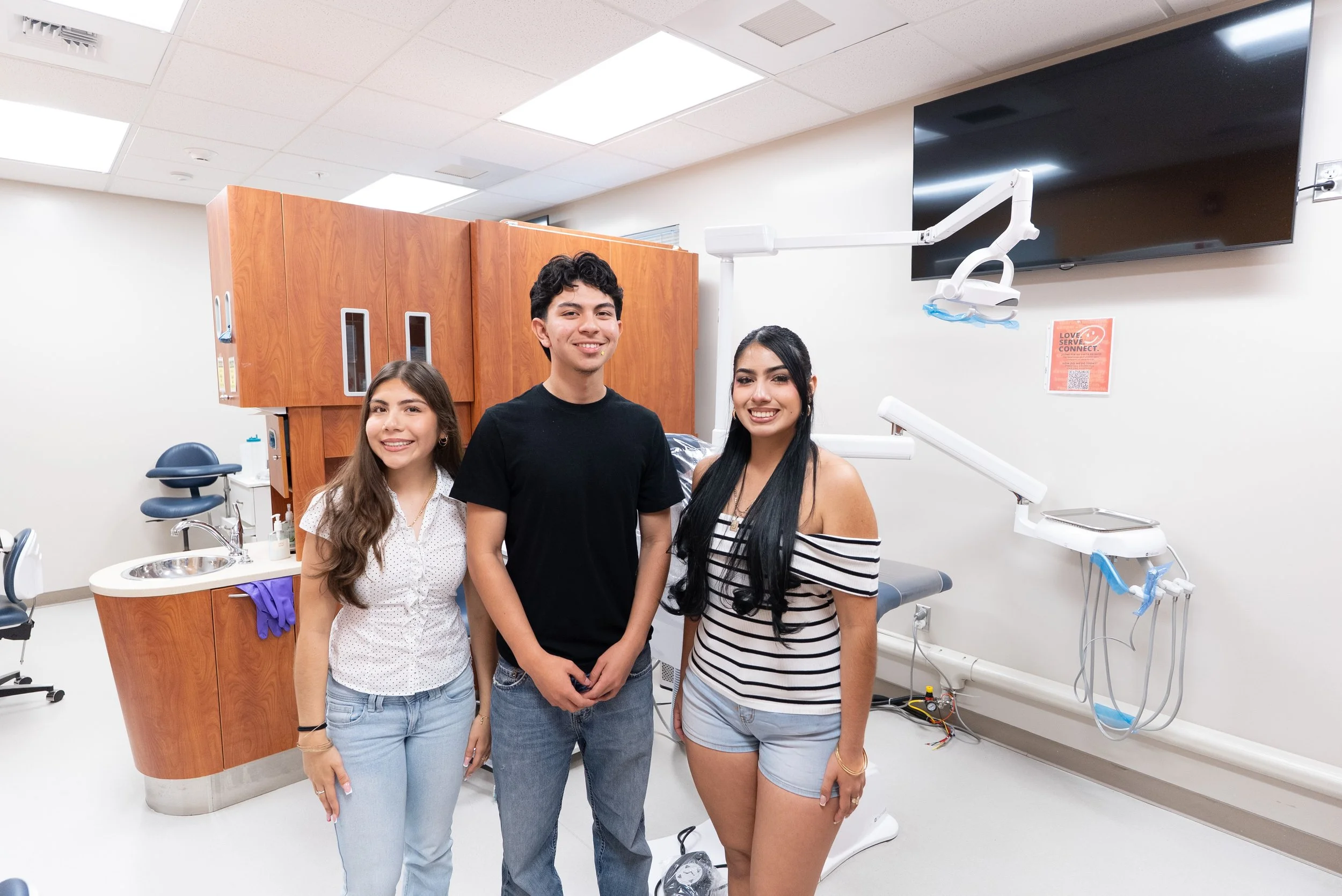
WYA at Mendez High School accessing their school wellness center
In previous articles, we explored how H.R.1 threatens school health systems and why raising new state revenue—not cutting care—is the best path forward. Last week, Governor Newsom signed the 2026-27 state budget. The final budget softens or delays proposed restrictions on Medi-Cal for certain immigrants while advancing the Fair Share Contribution discussion. Given the massive federal funding cuts stemming from H.R.1, the outcome could have been worse—but immigrant access to healthcare remains in jeopardy. Whether California upholds its commitment to Health for All will now depend largely on the next Governor and Legislature.
The following provisions will have a direct impact on school health systems.
The Fair Share Contribution discussion advances
The budget requires the Department of Finance to provide draft bill options by March 2027 to hold large corporations accountable for employees on Medi-Cal.
This proposal being considered in a real way is historic progress. It also demonstrates the power of advocacy in turning ideas into policy. But with Health for All rollbacks still expecting to take place in 2027-28, the need for a just, sustainable revenue solution remains urgent.
We are encouraged to see the groundwork laid and hope that next year, we’ll move closer to seeing corporations pay their fair share when their workers rely on the safety net.

Students at the National Community Schools & Family Engagement Conference
Historic ongoing investment in Community Schools
The budget also commits $1 billion in ongoing funding to sustain and expand California's Community Schools strategy. Community schools recognize that health is fundamental to learning, making this one of the most significant long-term investments in student well-being. We are thrilled to see continued support for this transformational approach.
Cuts and restrictions on immigrant access delayed
The Legislature delayed or softened several of the Governor's proposed restrictions on immigrant access to Medi-Cal. While these changes provide important short-term relief, they stop short of preserving California's commitment to Health for All. Without a long-term revenue solution, the restrictions will take effect next year.
LA County measure can help fill gaps in the state budget
Fortunately, LA County voters approved Measure ER, which will leverage a sales tax to fund health care coverage and support for clinics, hospitals, and county health departments. 45% of that revenue will fund free low-cost care at nonprofit clinics for uninsured low-income residents, while 4% will support school-based health clinics. Although temporary, this investment can help offset some of the harm caused by H.R.1 and California's retreat from Health for All. To maximize its impact, families must know what services remain available and how to access them. Schools are trusted places where families can receive that information and connect to care.
These developments underscore an important reality: schools are becoming an even more critical entry point to health care as other parts of our safety net come under increasing strain. Protecting school-based health services requires protecting Medi-Cal and ensuring California has the revenue needed to uphold its commitment to Health for All.
We will continue advocating for policies that strengthen the connection between health and education, advance sustainable funding solutions, and ensure every child can learn, grow, and thrive.